
Common Reasons Journals Desk Reject Papers (And How to Fix Them)
Desk rejection is a process that authors may face within academic journal publishing. Despite the thoroughness of academic review stages, authors should be encouraged to know that a lot of these desk rejections can be avoided by focusing on certain elements of your manuscript. By being aware of some common reasons journal desk reject papers, you can ensure that your research paper is prepared to pass initial journal checks and subsequent peer review.
1. Poor language and formatting quality
Before a paper is accepted for peer review, it must first pass an initial technical screening conducted by journal editors. This is where first impressions of your paper are formed, which are crucial to avoiding desk rejection.
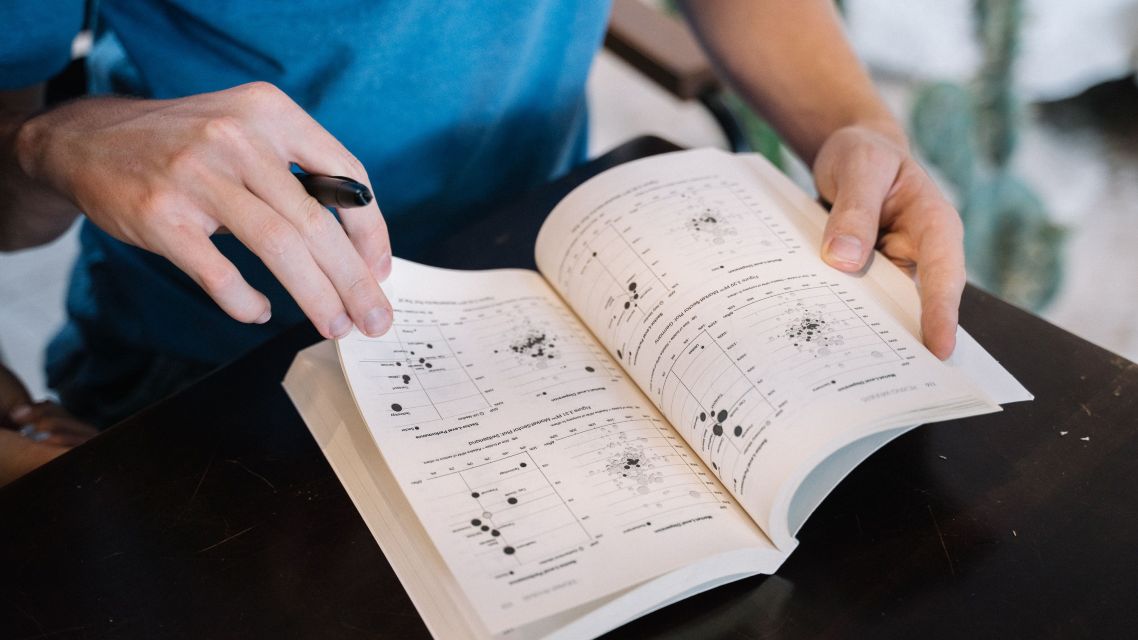
The content of a research paper is a key part of your manuscript. It gives editors an idea of the novelty and strength of your argument. Equally as important as the content is the structure, language and grammar, and table and figure quality. Indeed, the technical elements of a research paper, alongside manuscript sections like the introduction and abstract, are generally what journal editors notice first. Making these technical elements consistent is a good way to make your paper stand out immediately to editors.
If you can, have other peers review the technical elements of your research paper before submission. Cross-check any feedback with papers published by the journal you want to submit to. This will give you a good idea of what you need to incorporate to have your paper accepted.
If you struggle with visual elements such as figures and tables, or if your native language is not English, professional editing services can prepare your manuscript according to MDPI journal guidelines.
2. Mismatch with journal’s scope
Your research manuscripts can look ideal on paper. However, journals have their own scope and target audience. These are key elements to align with to further avoid desk rejection.
Editors will reject a paper that does not address the questions the journal’s readers care about or align with its overarching research vision. Before submitting, read the journal’s “Aims and Scope” section.
Looking at the last 12 months of scholarly articles published by your desired journal is similarly beneficial. Is there topical overlap or even direct referencing between your paper and the ones published by the journal?
It should not just be the editors looking for a match; you should also want to find the right editorial team with the expertise to assess your paper appropriately and realise its academic potential. When you are sure you are making the right choice, explicitly explain in your cover letter how your research aligns with the journal’s specific interests and readership.
3. Unclear contribution to research
Editors want to discover research that contributes something new to a field. Research papers tend to start with a problem, often one that is already well established. But sometimes it is not so obvious to editors what contribution a paper is making to resolve existing issues.
You need to explicitly outline a gap in the literature and how your research resolves it. Do so early on, in both your abstract and introduction, and later in the conclusion when you consider the implications of your findings.
Well-conducted literature reviews help guide your manuscript’s contribution to research issues. Use these reviews to observe existing research gaps and issues and how previous contributions were outlined. Let these observations inform the presentation of your own research contributions.
Preventing journal desk rejection
Desk rejection is something any author might experience, and sometimes interesting research falls short of publication because of technicalities or structural issues. Here is where professional editing services can help.
At MDPI Author Services, we specialise in helping researchers prepare their manuscripts for publication. Our Academic Editing Service provides subject-specific expertise and in-depth technical refinement during the manuscript preparation phase by PhD specialist editors over four rounds of editing, helping to improve the scientific content and structure of the paper as the author is guided from pre- to post-publication. And if your paper is rejected for language after using Author Services, you get a free re-edit.

As part of celebrating 30 years of MDPI, we are offering a discount of CHF 30 off our Rapid and Academic Editing Services. Use code ‘MDPI30’ when ordering to apply the discount. Click here for a free quote.
Subscribe to the Author Services Newsletter for tips, discounts, and updates.