
Philosophies MDPI: Journal Spotlight
For MDPI, 2026 brings great opportunity for celebration and reflection. Not only does it mark 30 years of MDPI’s commitment to advancing open science, but it also coincides with many monumental anniversaries for some of MDPI’s leading journals.
In recognition of its 10th anniversary, this edition of our Journal Spotlight will chart the key milestones, statistics, and thriving community of Philosophies (ISSN 2409-9287).
Philosophies is an international, peer-reviewed, Open Access journal promoting philosophical reflection and scientific research across fundamental issues in science, technology and culture.
Editor-in-Chief: Prof. Dr. Marcin J. Schroeder
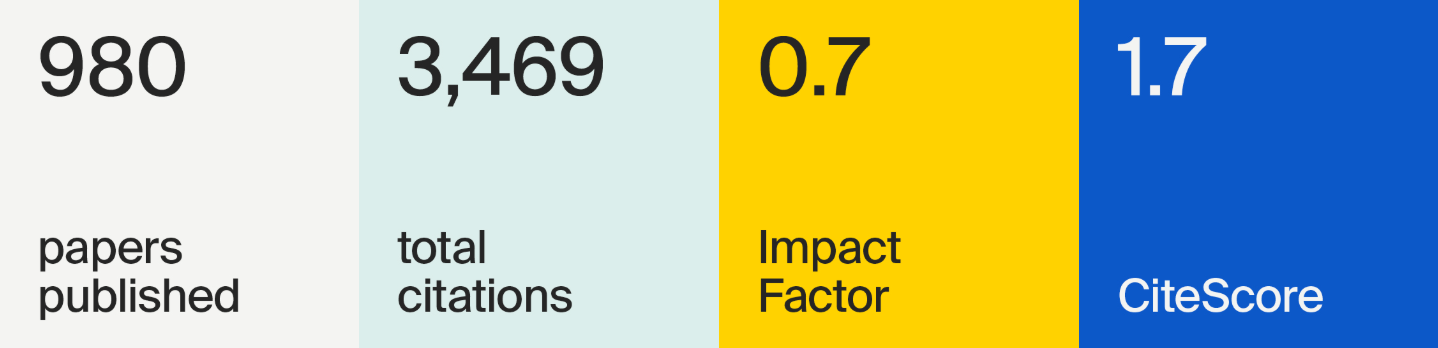
Current Impact Factor: 0.7
Current CiteScore: 1.4
Statistics as of May 2026
A Philosophies MDPI timeline
- 2016 – The inaugural issue of Philosophies was released
- 2020 – Philosophies became indexed in ESCI (Web of Science)
- 2021 – Philosophies was indexed in Scopus (Elsevier)
- 2022 – Philosophies became affiliated to The International Society for the Study of Information (IS4SI).
- 2025 – Philosophies co-organized the 1st international online conference:
Intelligent Inquiry into Intelligence—Contributing to the 2025 IS4SI Summit - 2026 – 10th Anniversary of Philosophies
Editor-in-Chief
Professor Emeritus at Akita International University, Japan, Dr. Marcin J. Schroeder has remained as Philosophies’ Editor-in-Chief since the journal published its first paper in 2016.

Prof. Dr. Schroeder has been affiliated with academic institutions across Europe, North America, and Asia, and has similarly enjoyed leading positions in multiple academic societies.
He has been a member of The International Society for the Study of Information’s (IS4SI) board since 2017 and currently serves as Vice President for Research. Also, since 2022, he has been the Academic President of the International Society for Interdisciplinary Studies of Symmetry (SIS)
While he is formally a Professor of Mathematics, his academic interests extend into the study of information, especially mathematical models and philosophy of information, information integration and consciousness, amongst other topics.
In addition to teaching, he has held senior administrative positions including Department Chair and Dean of Academic Affairs. In recognition for his contributions to the establishment and development of the Akita International University he was awarded the title of its Professor Emeritus.
Aims and scope
In Philosophies’ first editorial piece, Prof. Dr. Schroeder provides insight into the aim of the journal, which is to create a platform which for the integration of philosophical and scientific study.
Rather than treating philosophy and science as separate disciplines, it encourages philosophical reflection which stems from scientific research and, similarly, scientific findings which support philosophical thinking.
“The mission of the journal to serve as a venue for publication of philosophical works characterized by the diversity; diversity of subject matter, diversity of methodology, diversity of cultural foundations.” – Prof. Dr. Marcin J. Schroeder.
Research areas included in the journal’s scope include, but are not limited to:
- Integration of philosophy, science, technology and culture;
- Philosophy of science;
- Logic and methodology of inquiry;
- Epistemology and ontology;
- Natural philosophy;
- Philosophy of information and computation;
- Philosophy of mind and consciousness;
See the journal’s full scope here.
Journal metrics
Most cited & viewed
As of May 2026, the Philosophies publication with the most citations is Transformational Creativity: The Link between Creativity, Wisdom, and the Solution of Global Problems.
The journal’s most viewed paper is Music Criticism Reconsidered: Bias, Expertise, and the Language of Sound.
Impact Factor
Philosophies’ most recent Impact Factor sits at 0.7. This has grown from its previous score of 0.6.

The journal is also positioned in Q2 for the Journal Citation Report (JCR) category ‘History and Philosophy of Science’.
CiteScore
Philosophies’ ongoing growth is reflected in its CiteScore. Starting with a score of 0.9 in 2021, the journal continues to improve in this metric and holds a 2025 CiteScore of 1.7.
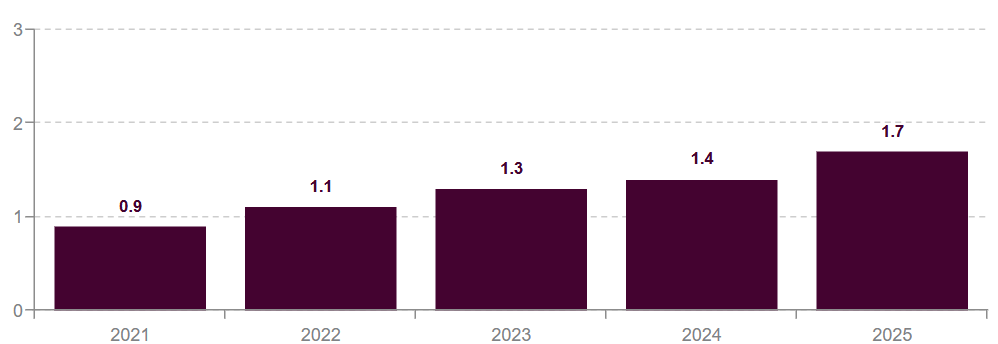
Impressively, the journal is placed in the highest quartile (Q1) for two subject categories: ‘Philosophy’ and ‘History and Philosophy of Science’.
Indexing
Philosophies is indexed within a vast range of databases and archives, including:
- Scopus (Elsevier)
- ESCI (Web of Science)
- DOAJ
- J-Gate
- Gale
- OpenAIRE
- ProQuest
Find the complete list of associated indexing services here.
Altmetrics
Altmetrics provide insight into how research is shared online.
As of May 2026, Philosophies has been mentioned 2,301 times across social media platforms, 130 times across various news outlets and blogs, and 4 times across policy documents and patents.
The Philosophies community
In addition to serving the academic community through its publications, Philosophies connects with scholars through events, awards, and society affiliations.
Awards
MDPI’s journal awards seek to acknowledge individual achievements and inspire excellence across a diverse range of fields.
The journal offers the Best Paper Award, the Outstanding Reviewer Award, and the Editor of Distinction Award.
Through these special recognitions, Philosophies celebrates the contributions of its authors, reviewers, and Editorial Board members – all of whom maintain distinct and important roles in upholding the quality of the journal.
Visit Philosophies’ Awards page.
Society affiliations
In 2022, Philosophies began its affiliation with The International Society for the Study of Information (IS4SI).
IS4SI works to unite scholars in advancing global and collaborative studies in the sciences of information, information technology and information society.
“[IS4SI] seeks to create a community of scholars that reflect on the impact of their research and development on society, on how their studies relate to each other, and on the features that distinguish their concepts, theories and approaches in order to find out a possible common basis.” – IS4SI
Concepts such as the philosophy of information and the philosophy of science are central to IS4SI’s mission statement, making its partnership with the journal an important step in fostering deeper dialogue across relevant disciplines and achieving shared goals.
Members of IS4SI should contact their society representative to learn more about the benefits of publishing with MDPI, such as discounts on article processing charges (APC).
Conferences
Philosophies will host The 2nd International Online Conference of the Journal Philosophies: Philosophical Unification of Diverse Forms of Inquiry (IOCPh 2026). This event will take place from 26 – 30 October 2026.
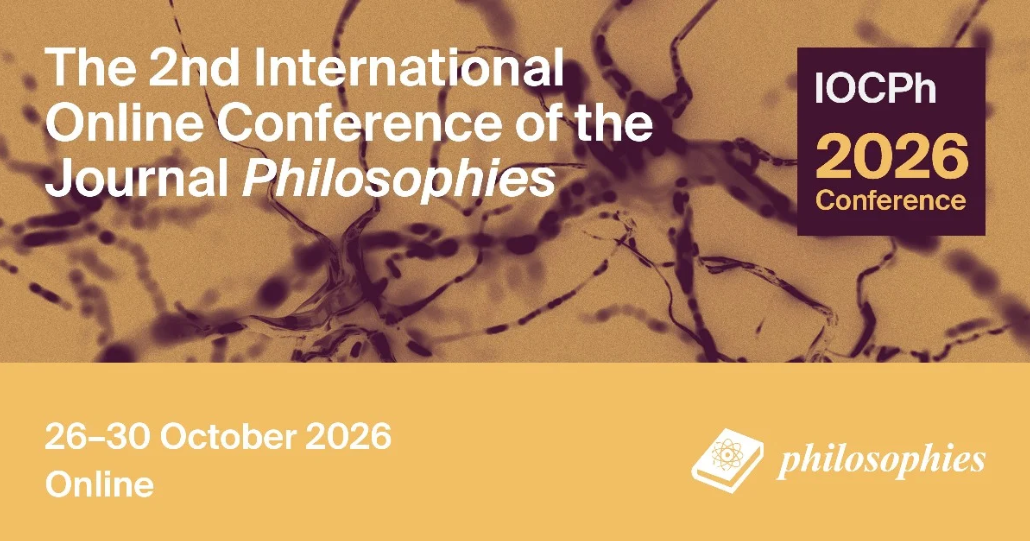
The event is set to build on the success of the 1st edition of the virtual conference and explore the role of philosophy in integrating studies in more diverse contexts, with a particular focus on the study of intelligence.
Learn more about the journal’s upcoming events here.
Testimonials
“The review process is the best I could have hoped for, given the nature of my manuscript. Reviewers were detailed, considerate and rigorous in their suggestions. The Assistant Editor was ever present whenever I had queries, and the Academic Editor assessed the strength of the review process promptly and fairly.” – Anish Seal, Author for Philosophies.
“There was close critical attention to my submission from the outset. I received, promptly, helpful (sharply worded) suggestions for improvement in presenting my ideas, and a very high level of the more technical level of preparing the text for publication.” – Max Deutscher, Author for Philosophies.
Submitting a manuscript
Manuscripts for Philosophies should be submitted online at susy.mdpi.com.
Prior to submitting, we recommend that authors explore the useful resources on our instructions for authors webpage.
To submit your manuscript, register and login to the submission website. Once you have registered, click here to go to the submission form. The submitting author, who is generally the corresponding author, is responsible for the manuscript during the submission and peer review process.
All co-authors can see the manuscript details in the submission system if they register and login using the e-mail address provided during manuscript submission.
If you’d like to find out more about Philosophies and its publication process, please visit the journal website.
Stay up to date with Philosophies MDPI: