

Low-Frequency Ultrasound Waves Can Alter Blood Flow Dynamics, New Study Finds
Ultrasound is used in a wide range of medical applications, including pre-natal scans, and medical diagnostics. New research suggests that this technology could also be applied for the potential treatment of various medical conditions.
The new research published in the Open Access journal Sensors presents a model to show how different ultrasound frequencies can impact blood flow, with low frequencies improving blood flow by disrupting erythrocyte aggregates.
The research, carried out by researchers from Kaunus University of Technology, Lithuania, suggests that this technology could be harnessed for ultrasound to be used as more than a diagnostic tool.
“Our work shows that ultrasound can mechanically influence blood properties. This opens possibilities for future non-invasive therapies that may one day complement existing medication-based and surgical treatments.” – Prof. Ostaševičius, lead author of the study.
Elevated levels of erythrocyte aggregates can impede blood flow and oxygen levels
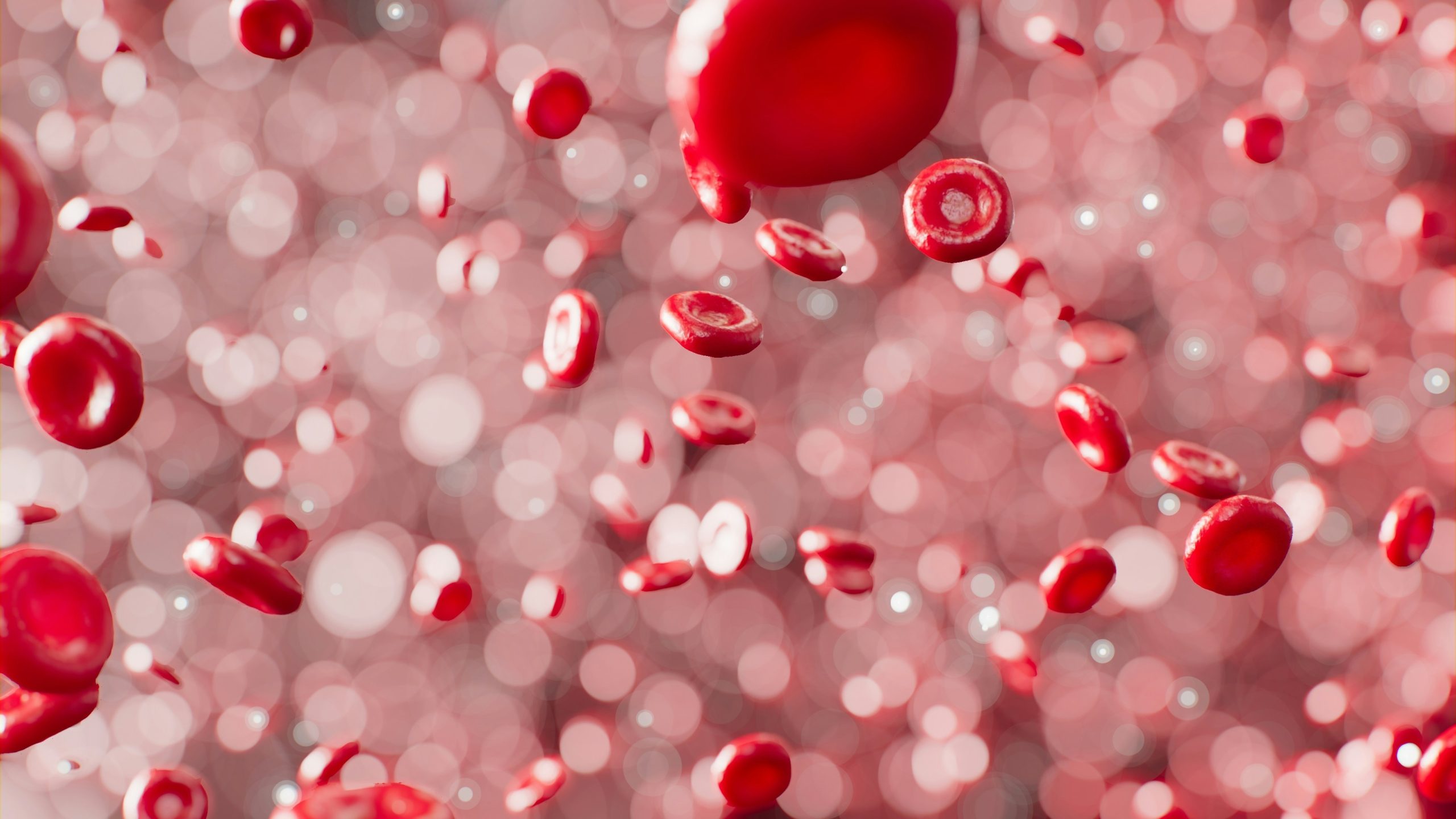
Erythrocyte aggregates refers to the reversible clumping of red blood cells. It is a natural phenomenon that occurs during regular blood flow; however, it can cause issues when levels are elevated.
This could be due to underlying pathological issues, such as infection, cardiovascular disease, or inflammation. These issues can lead to a rise in large plasma proteins and other components which increase the number of aggregations.
When the levels of erythrocytes rise, blood viscosity also rises, which impedes blood flow. Furthermore, oxygen exchange is less efficient due to a reduction of the red blood cell’s surface area. Therefore, sustained elevation of erythrocyte aggregation can lead to poorly oxygenated tissues, which can lead to serious health issues. Research also shows that excessive aggregates can cause the development of blood clots, and trigger conditions such as deep vein thrombosis.
The study explores how different ultrasound frequencies affect erythrocyte aggregation to either reduce or increase its presence in blood. Furthermore, the researchers developed a digital model to describe the impact of high-frequency ultrasound waves on erythrocyte aggregation.
Low-frequency ultrasound waves reduce erythrocyte aggregation
The researchers of the study collected over 300 samples of blood from 42 male participants. The tubes were coated with an anticoagulant to prevent clotting of the sample. Each sample was then subject to high or low frequency ultrasound wave frequencies at different intensities and at various time conditions. These were compared to controls which weren’t subject to ultrasound.
The samples subject to high frequency ultrasound were analysed under a microscope to visualise aggregation, whilst red blood cell count was measured for those samples under low frequency ultrasound waves.
The results showed that subjecting the samples to high-frequency ultrasound waves promoted erythrocyte aggregation, reducing red blood cell counts as they clumped together.
“When erythrocytes cluster together under the influence of high-frequency ultrasound, blood viscosity increases, blood pressure and pulse may rise, and oxygen exchange becomes less efficient.” – Prof. Ostaševičius
This is because the high frequency produced standing acoustic waves which caused the red blood cells to accumulate in low-pressure regions.
On the other hand, lower frequency ultrasound waves altered the interactions between the red blood cells, creating sufficient shear force to dissociate the aggregates and increase the red blood cell count in the samples.
The samples here were subjected to low frequency ultrasound via a patented ultrasound transducer, which was designed to permeate tissues more deeply and precisely, enabling the dissociation of erythrocyte aggregates.
Low-frequency ultrasound to improve health
The study showed that low-frequency ultrasound waves create sufficient force to manipulate red blood cell aggregates in vitro, causing them to detach and separate from one another, reducing blood viscosity, improving blood flow and subsequent oxygenation.
This research discusses how ultrasound waves could help to improve blood circulation and tissue oxygenation, which is a major issue in the context of various diseases, such as myeloma. Although the medical application of this technology remains experimental, the researchers identify the future use of low-frequency ultrasound technology which could help alleviate serious health conditions.
“Low oxygen levels in tumours remain one of the major challenges in cancer therapy. If oxygen delivery to tissues can be improved locally, it may help increase the effectiveness of certain treatments,” says Prof. Ostaševičius.
The technology could also be applied to treatment of diabetic foot ulcers, where improving blood oxygenation can boost wound healing and help repair tissues more quickly. Furthermore, the researchers discuss how low frequency ultrasound could be used for in vivo drug encapsulation. As red blood cells are excellent drug carriers, conjugating therapeutic drugs to the cells following dissociation by ultrasound
“Our work shows that ultrasound can mechanically influence blood properties. This opens possibilities for future non-invasive therapies that may one day complement existing medication-based and surgical treatments. – Prof. Ostaševičius.
Further research is needed on the application of the patented low frequency ultrasound transducer. However, the research here establishes the utility of the technology beyond diagnostics, highlighting its role in improving blood flow, and thus, its exciting integration into non-invasive medical treatments.
Read more research published in the Special Issue: Advances in Robotics and Sensors for Rehabilitation, or access MDPI’s full journal list.