

Scientists Find Ideal Location to Harness Solar Power
The development of solar panels, now a major renewable energy source, began with the discovery of the photovoltaic effect in 1839 by French physicist Edmon Becquerel. This phenomenon entails the process of converting sunlight into electricity. Fast-forward to 1954, the first modern solar panel was developed and had the capacity to power small electronics.
Accelerated by the 2050 Paris Agreement, solar panels now make up 7% of global electricity generation, with this figure set to double by 2030.
Solar electricity is increasingly being recognised worldwide as a valuable method to help achieve carbon neutrality, alongside other alternative fuel sources such as wind and hydroelectric power. It is the fastest-growing renewable energy source globally, beating all other forms of alternative electricity generation, including wind and hydropower.
Global energy consumption expected to rise by 50% by 2050. The precise geographical positioning of renewable energy systems remains paramount. to ensure optimal functionality of the systems, which is heavily dependent on their surrounding natural environment.
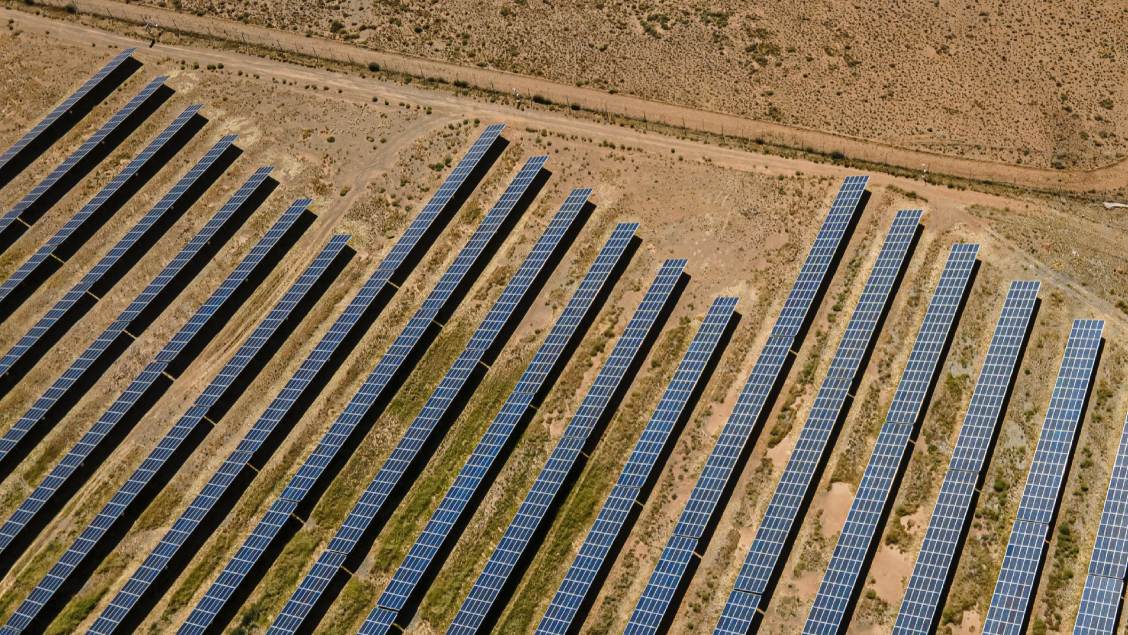
New research published in Atmosphere by researchers from The University of Texas at El Paso, USA, found that solar panels exhibit minimal energy losses due to their strategic geographical placement in the Chihuahuan Desert.
Solar panels exhibit significant energy losses
Solar power systems have the potential to produce large amounts of electrical energy. However, they also demonstrate large energy losses during this process due to various factors, both environmental and non-environmental.
This includes:
- Solar cell efficiency
- Dirt and debris
- Shading or obstructions
- Electrical wiring and inverter conversion losses
A large study analysing the effectiveness of solar panels in the UK found that solar panel systems lose around 25% of power, with location being a significant hindrance in maintaining hot spots for harnessing solar energy.
Soiling losses refers to the loss in solar energy efficiency due to sunlight being blocked or the accumulation of dust, dirt, pollen or bird droppings.
Solar panels are manufactured based on their capacity for maximum energy generation in kilowatts. However, this figure is obtained from carefully controlled settings and is not an accurate simulation of its real-world application. Furthermore, it does not account for soiling losses, which refers to the loss of solar panel efficiency due to sunlight blockage from the accumulation of dust, dirt, pollen, bird droppings or other obstructions.
Temperature fluctuations, weather changes, debris accumulation, and other environmental factors significantly influence how much electricity solar panels can generate.
The research carried out in El Paso found that solar panels in that region exhibited minimal soil losses due to its strategic placement.
Wind and gypsum-enriched dust helps preserve energy losses
The researchers analysed the soiling losses of the photovoltaic panels to see whether the frequent accumulation of dust from the white sand dune fields would interfere with the energy generation of the solar panels.
They found that it had much lower interference compared to other comparable dust types from across the Global Dust Belt locations, despite the region experiencing 22 dust events over the period of the study.
Gypsum, one of the main components of the dust from the White Sand fields, absorbs less light compared to other types of dust, meaning that more sunlight can be harnessed by the solar panel.
German Rodriguez Ortiz, lead author of the study, discusses how the solar panels exhibit a uniquely beneficial placement.
“What we found is that this location is genuinely favorable for solar energy, not just because of its abundant sunshine but because of how the dust behaves here.
The wind that brings dust from White Sands also helps clean the panels, and the gypsum itself appears to be less harmful to performance than the types of dust studied at other sites globally.”
Furthermore, the specific positioning within the Chihuahuan Desert exposes the panels to south-to-southwest winds, enabling the efficient removal of accumulated dust to produce a type of ‘passive cleaning effect’, as described by the researchers.
Additionally, low levels of rainfall (around 2.2 mm per hour), help to restore the panel to a baseline photovoltaic performance, helping to maintain its optimal function.
The specific regional wind and patterns type of dust help to keep long-term operating costs low, as well as improve the sustainability of the solar panels by reducing the water consumption required for cleaning.
Prof. Thomas E. Gill discusses the importance of the research, and its role in understanding the geographical importance of solar panel optimisation.
“This research demonstrates the kind of place-based science UTEP is uniquely positioned to conduct. Our location in the Chihuahuan Desert is not just a backdrop—it is a living laboratory, and this work shows how deeply understanding your local environment can generate insights with real economic and energy consequences for the region.”
Installing solar panels needs more sustainable processes
Although solar panels are an immensely popular renewable energy resource and a prominent component of the renewable integration process, they are not always the most sustainable option.
With solar panel farms creating greater environmental trade-offs by disturbing local habitats and causing soil contamination, the location of solar panels needs careful evaluation and strategic planning. Furthermore, a large volume of water is needed to clean the panels to remove debris and maintain optimal function; although, recent advances are working on incorporating waterless cleaning technologies.
With the consequences of climate change becoming increasingly apparent, the integration of renewable energy systems is essential. Understanding the climate activity of local regions is important to improve the sustainability of solar panels, reduce their cleaning costs and maximising the energy generation of the renewable systems.
To read more research on renewable energy, you can browse through the journal Atmosphere or Sustainability, where all articles are free to read immediately. Alternatively, access the full MDPI journal list.