
Ant Smuggling Case Calls for Better Protection of Insect Species
A case of ant smuggling, which took place in Kenya in May 2025, has sparked legal debate on the protection of small species, such as ants. Current wildlife conservation law and policies often focus on protecting larger animals, with smaller insect and animal species often going amiss. This results in them being subject to human-led wildlife crime, which includes smuggling, poaching and animal redistribution.
The case study is discussed in an article published in the Open Access journal Laws, which explores the act of insect trafficking within the global wildlife trade. The research, carried out by scholars in the UK, uses a green criminology lens to highlight the need for better policies to protect insect species.
Co-author Angus Nurse, Professor of Law and Environmental Justice at Anglia Ruskin University (ARU) explains:
“Despite the scale of this issue, insect trafficking remains under-researched and poorly understood and there is limited data on the methods that criminals use, the markets they look to utilise, and the impacts on species and the ecosystems around them.”
Ant smuggling is a wildlife crime
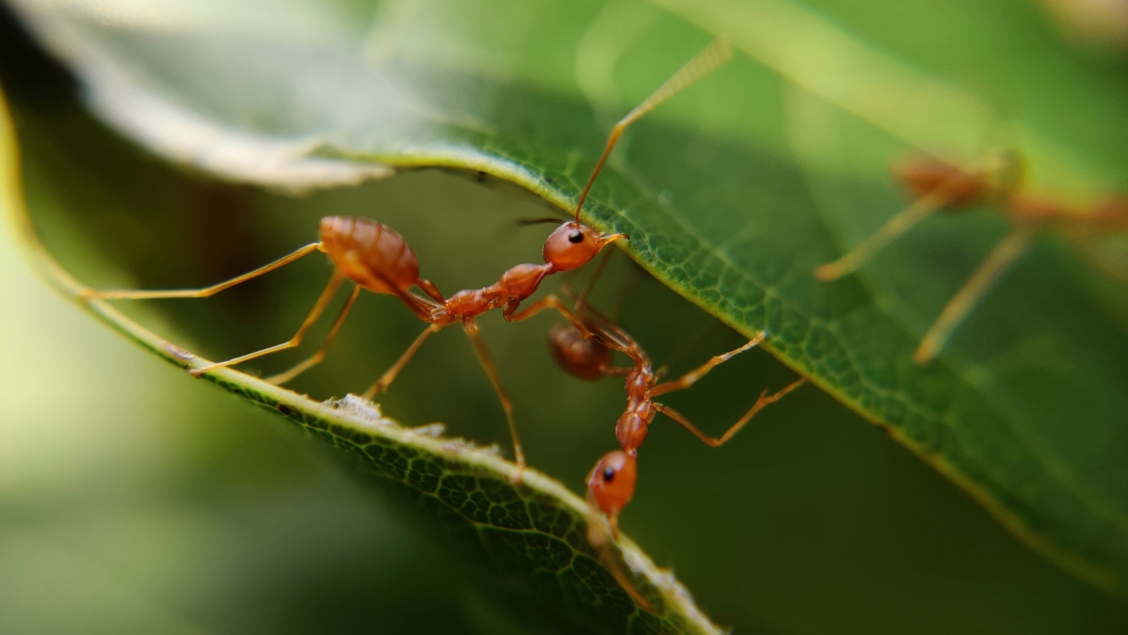
In May 2025, four men attempted to smuggle 5,000 Giant African Harvester ants out of Kenya. Each queen ant, encased in a test tube filled with cotton wool, was potentially worth hundreds of US dollars.
Although the suspects claimed they did not know that transport of the ants were illegal, the court charged them with a fine of $7,700 dollars or one year in prison. The Kenya Wildlife Service described it as a ‘landmark case’ to highlight the importance of preserving all animals, big and small.
The illegal wildlife trade is rife globally, taking place predominantly in Africa and Asia, as well as South America. The prohibited trade of wild animals, animal products, and plants and fungi, has devastating consequences for animal wellbeing, biodiversity and the ecosystem.
Despite their size, all insects play a predominant role in the normal functioning of the environment. They create tunnels and aerate soil, which allows oxygen and water to reach plant roots more easily, as well as dispersing seeds. Ants are important food sources for larger animals, like some birds, reptiles and other insects. They are therefore imperative for the food chain and the diversity of other wild animals.
Trafficking insects into new habitats could result in disastrous consequences. Recent research showed that over 500 species of ants were not found in their native habitats. Thus, ants are now highly likely to become invasive species, compete with native animals for food, or bring new diseases that could harm both animals and humans.
Looking at insect trafficking through a green criminology lens
The research published in Laws explores insect trafficking specifically from a green criminology perspective. This field of study prioritises environmental crimes and harms, focusing on injustices against non-humans and the environment. It encompasses the intersection of several fields, including environmental law, criminality and ecological justice. Importantly, the study of green criminology focuses on addressing the resolution of anthropogenic wildlife and ecological issues, which includes trafficking of insects.
Through this lens, the authors emphasise the importance of ecological justice and justice for each individual species. The study describes insects as being ‘victims of crime’ not dissimilar to larger animal trafficking or poaching rare animal products. Alongside this remains the harm to the environment and the illicit act of transporting illegal goods.
Therefore, when considering wildlife crime, the authors discuss how justice systems need to adapt to account for the multi-faceted impact of non-human animal trafficking, regardless of the size of the species. Current policy and law fail to address the severity of the global insect trafficking issue.
Insect trafficking is a legal grey area
International wildlife law are legal frameworks that implements agreements, permits, and anti-trafficking regulations to conserve biodiversity and protect wildlife. This includes the Convention on International Trade and Endangered Species of Wild Fauna and Flora (CITES), an international agreement between governments, and Convention on Biological Diversity (CBD).
Insect trading operates both within legal and illegal markets, with many insects being used for conservation efforts, research purposes, food, and other economic opportunities.
Illegal Insect trafficking is often overlooked, both within the public eye and conservation policy, which more often focuses on the trafficking of larger animals and animal products, like ivory. Despite impacts on insect welfare, biodiversity and ecosystems, insect trade occupies a legal grey area.
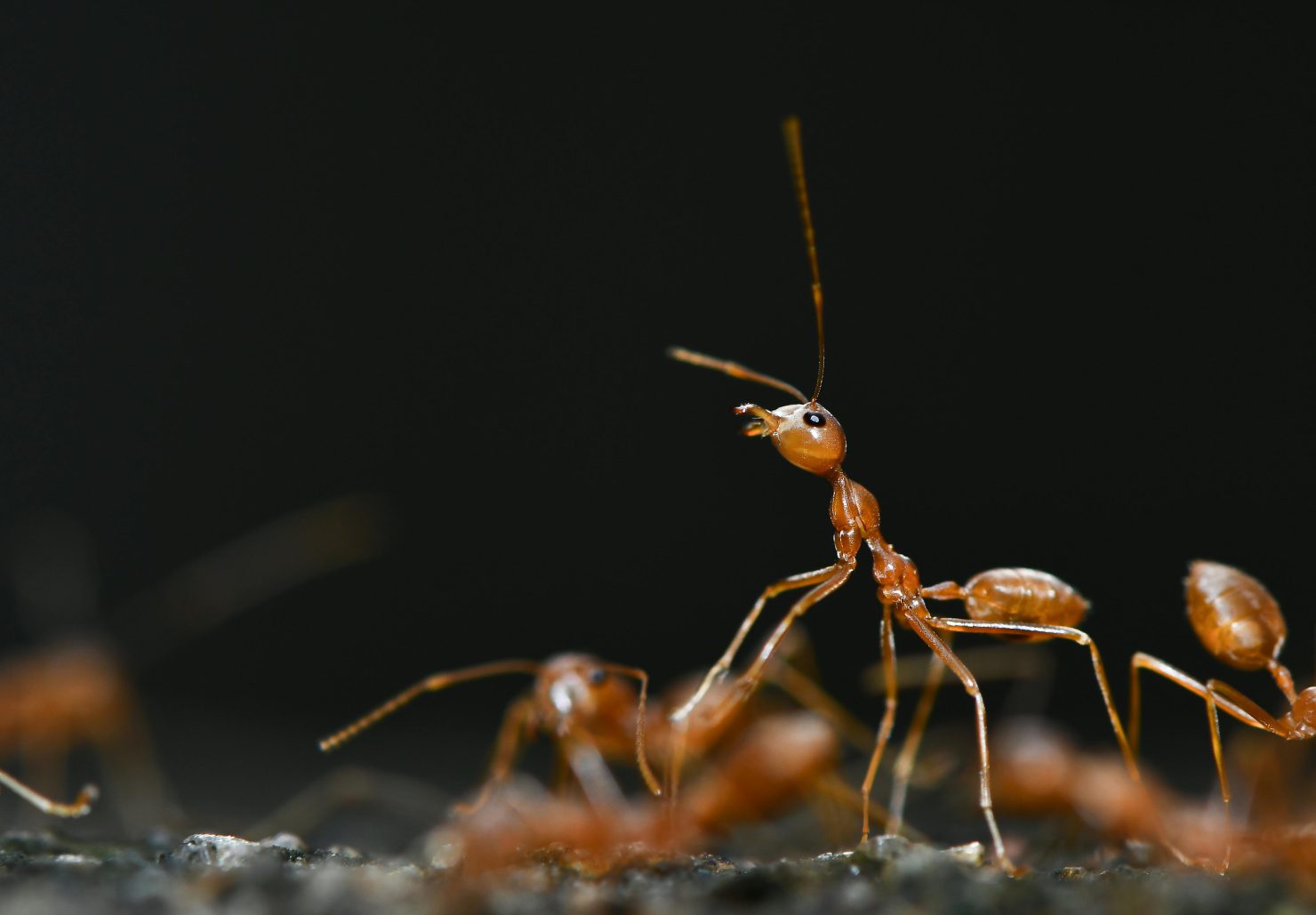
Insects are earth’s most diverse animal group, accounting for over 1 million described species, over 5.5 million total species and potentially millions more that remain undiscovered. This poses a unique challenge in moderating the trade of insects, particularly those that are more unique or have not been officially described. For example, many insects fall outside of the species accounted for by official regulatory frameworks such as CITES.
Illicit global insect trade markets are therefore hard to monitor, with the presence of Furthermore, the act of collecting and distributing certain insects remains legal in some countries but is illegal in others. This makes it increasingly difficult to draw a firm line under prevention of insect trafficking, highlighting the need for more centralised systems.
A call for insect rights
Adopting a green criminology perspective would mean integrating appropriate regulations and enforcements which aim to reduce harm to wildlife and our environment.
“Insects play a vital role in these ecosystems, yet they are routinely excluded from conservation policy and legal definitions of wildlife. This anthropocentric bias means species that are less visible or less valued by humans receive little protection, despite their ecological importance,” states Prof. Nurse.
The authors urge for progress across policy and laws that remove the bias towards exclusive conservation of larger animals, such as elephants and rhinos. There should be a shift towards the inclusion of all animals, big or small, in wildlife trade regulations for the benefit of ecological preservation and animal welfare.
With ant populations showing a decline rate of 1-2% each year, the need for better protection of insects and better regulations is needed more than ever.
The authors emphasise a greater need for non-profit organisations and other civil societies to recognise the severity of the illegal insect trafficking trade, and the serious consequences it may pose. This will in turn, improve public engagement, education and awareness of the important issue.
To read more about the wildlife trade and policies involved in protecting endangered species, access the Special Issue: Global Threats in the Illegal Wildlife Trade and Advances in Response. Alternatively, access MDPI’s full journal list.