
Social Media May Help to Reduce Anxiety in Certain Young People
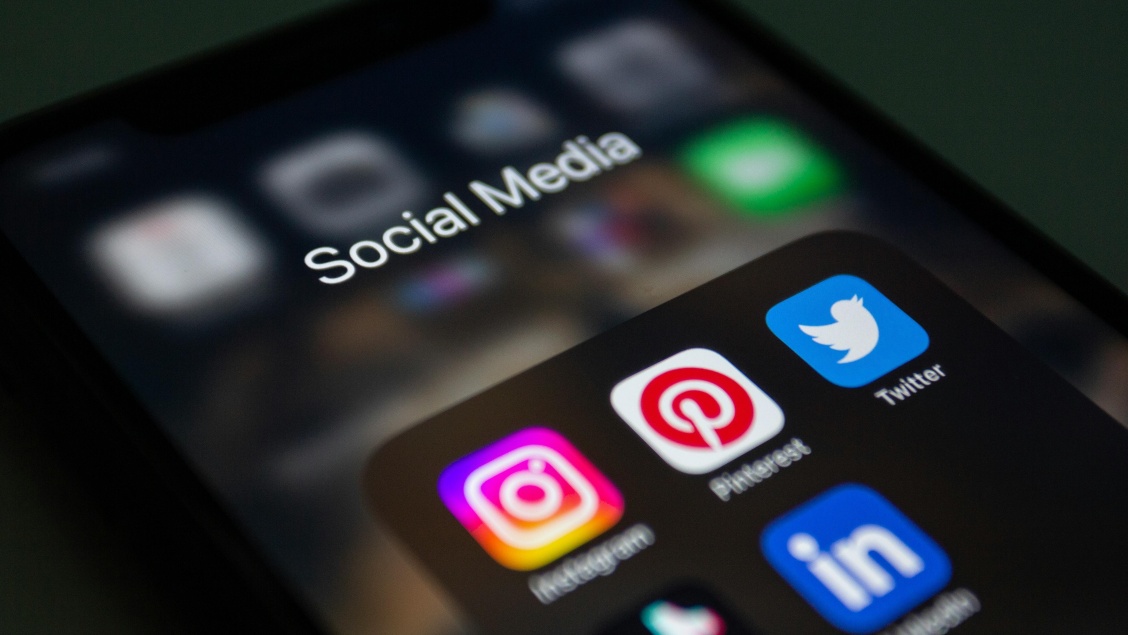
Social media plays a significant role in people’s daily lives. These platforms are now woven into the fabric of society and have become key instruments for raising awareness of widespread issues and important global events.
Social media is also a platform individuals often use to seek out emotional support. Examples of this include peer validation, and emotional or motivational posts that individuals may personally resonate with.
However, the long-term impact of exposure to social media is now being investigated. New research published in the Open Access journal Psychiatry International by researchers from the University of Arkansas and University of Alabama finds that young adults with specific personality traits exhibit a reduction in anxiety after obtaining emotional support derived from social media.
Anxiety and social media
Anxiety is one of the most common mental health disorders globally, with more women being affected than men. Recommended treatments for anxiety include psychiatric intervention like cognitive behavioural therapy, as well as lifestyle recommendations, including mindful and community-based activities to prevent social isolation and boost self-esteem.
Social prescribing is an excellent method of gaining emotional support and to reduce feelings of loneliness and isolation – which is proven to increase a person’s risk of depression, anxiety and even physical health issues like type 2 diabetes.
Although the essence of social media is to improve global connection, a 2020 longitudinal study showed that social media was positively associated with risk of depression. In a previous blog article, we explore the importance of taking a digital detox, providing the current evidence on how excessive phone use can impact our physical and mental health.
The study discussed here wanted to see how emotional support from social media played a role in the risk of developing anxiety. Furthermore, they wanted to determine which personality traits were more associated with developing anxiety through social media-derived emotional support.
Study design
As part of the study, 2,403 adults between the ages of 18 and 30 years old and equal gender distribution were recruited. The participants were asked to fill out a self-reported survey with questions on the extent of support they received from social media.
Anxiety was measured using a validated Patient Reported Outcome Measurement Information System. Here, the patients answered specific questions regarding their symptoms, and a score between 4-20 was generated were obtained, with a higher score indicating higher anxiety symptoms.
The participants also completed the 10-item Big Five Inventory questionnaire to assess personality traits. The traits measured include openness, conscientiousness, extraversion, agreeableness and neuroticism.
Higher association of social media and anxiety reduction found in extraverted females
The results showed that females who exhibited traits of high extraversion, agreeableness, low conscientiousness, and high openness to experience showed a more pronounced decrease in anxiety when obtaining emotional support through social media.
“The findings from this research have important social implications, given the increased prevalence of anxiety among young adults,” the researchers noted.
“We currently know that anxiety also increases the risk of stress-induced inflammation, sleep disruption, migraine headaches, negative workplace culture, maladaptive perfectionism, low self-esteem, and negatively impacting academic performance”
Although direct causation between social media and anxiety reduction is not confirmed in this study, the results are important, as it demonstrates how the perception of emotional support differs between genders.
Previous research notes that women exhibit help-seeking attitudes, while men demonstrate more negative attitudes towards seeking help.
Additionally, the role of personality plays a crucial role in help-seeking and is used as an important predictor of the seeking emotional support from others, and how it is received differentially between individuals.
The importance of feeling supported
Whether online or in-person, the results of the study emphasise the importance of feeling supported.
Although gender and personality play crucial roles in determining our innate attitudes towards help-seeking, education and improving self-awareness is essential to maintain well-being, as well as being able to support others within our community.
“People thrive when they feel valued, supported and part of a cohesive group. Becoming more emotionally aware of our interactions with others is essential.
Improving perception, communication, and emotional awareness both in-person and on social media platforms is integral for improving health and well-being.” – Assistant Professor Renae Merrill, co-author of the study.
MDPI is a leader in Open Access research, publishing the latest findings across all fields of science. Dedicated journals, including Psychiatry International, Behavioural Sciences, and Brain Sciences, cover research across psychology, neuroscience, and mental health. Alternatively, you can read more by accessing the full journal list.