

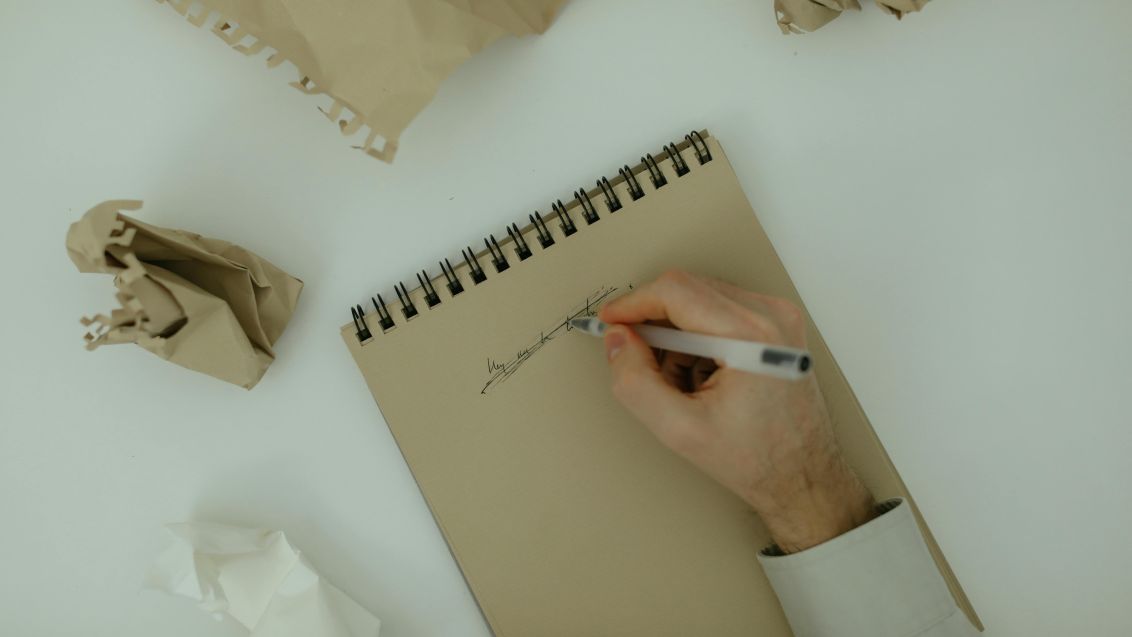
Phrases to Avoid in Academic Writing
Academic writing should be clear and simple. However, it should still remain professional in its tone. Authors continue to miss out on publication by littering their manuscript with awkward or incorrect phrases that don’t align with academic standards. That’s why you need to be aware of certain phrases to avoid in academic writing.
From vague and informal language to opinionated and absolute terms, we’ll go over the kinds of phrases you need to avoid when it comes to getting that academic manuscript publication ready.
Informal phrases
Academic writing is upheld by professionalism. It’s a discipline with a history of rigorous application and established traditions. Therefore, the style of academic writing needs to embody these long-standing traditions of academia.
Informal language stands out because it feels out of place in academic writing. Here are some examples of common informal phrases to avoid:
- “The results of the study were kind of/sort of unexpected.”
- “There were a lot of participants in the study.”
- “The findings aren’t accurate.”
Here are examples of correct ways to address these informal phrases:
- “The results of the study were unexpected/somewhat unexpected.”
- “There were many participants in the study.”
- “The findings are not accurate.”
Vague phrases
Academic writing involves constructing an argument that needs to convince the reader. Therefore, the information communicated needs to be accurate and clear.
Think of your argument as a route; your points should be easy to follow and faithful to the general direction of your thesis. Vague phrases leave your reader guessing as to the meaning of your statement. And if they’re guessing, then you’re potentially misleading them.
Here are some examples of vague phrases to avoid:
- “Researchers have disagreed for a long time about the applicability of small-sample studies.”
- “The findings of the original study were more or less refuted.”
Here are examples of correct ways to address these vague phrases:
- “Researchers have disagreed for decades about the applicability of small-sample studies.”
- “The findings of the original study were somewhat refuted.”
Exaggerating or absolute phrases
Your writing should aim to get as close to the truth as possible based on the findings of your research. However, while academic research aims to be as accurate as possible, findings that were once held to be definitive are sometimes disproven by newer studies.
This is why exaggerating or absolute phrases should be avoided. These phrases tend to generalize or overstress the point.
Here are some examples of exaggerating or absolute phrases to avoid:
- “Small-sample groups never reflect the larger population.”
- “Study findings always prove something to be true.”
- “The cylinders were perfect for sample capturing.”
Here are examples of correct ways to address these exaggerating or absolute phrases:
- “Small-sample groups do not always reflect the larger population.”
- “Study findings sometimes/often prove something to be true.”
- “The cylinders were suitable for sample capturing.”
Subjective phrases
Academic writing needs to be objective, and therefore no biases should be present in your paper.
Subjective phrases threaten this objectivity by inviting personal feelings and opinions to interfere with any findings. By doing so, your paper risks being accused of having an agenda, rather than being objective and for the greater good of the academic community.
Here are some examples of subjective phrases to avoid:
- “Naturally, the results of our second study validated those from the first.”
- “The findings will be good for the scientific community.”
Here are examples of correct ways to address these subjective phrases:
- “It would seem that the results of our second study validated those from the first.”
- “The findings may be beneficial for the scientific community.”
Improving your writing further
Avoiding certain phrases isn’t the only way to further improve your academic writing. Check out our 5 basic tips for better writing, where we give tips on things such as how to visualize your argument and vary sentence structure.
At MDPI Author Services, we specialize in helping researchers prepare their manuscripts for publication. Our Figure Editing Service provides publication-ready figures that clearly communicate your research to readers. Figure editing enhances your charts and graphs by revising the colors, shading, size, resolution, borders, font, and file type. This is all completed in one business day after payment.
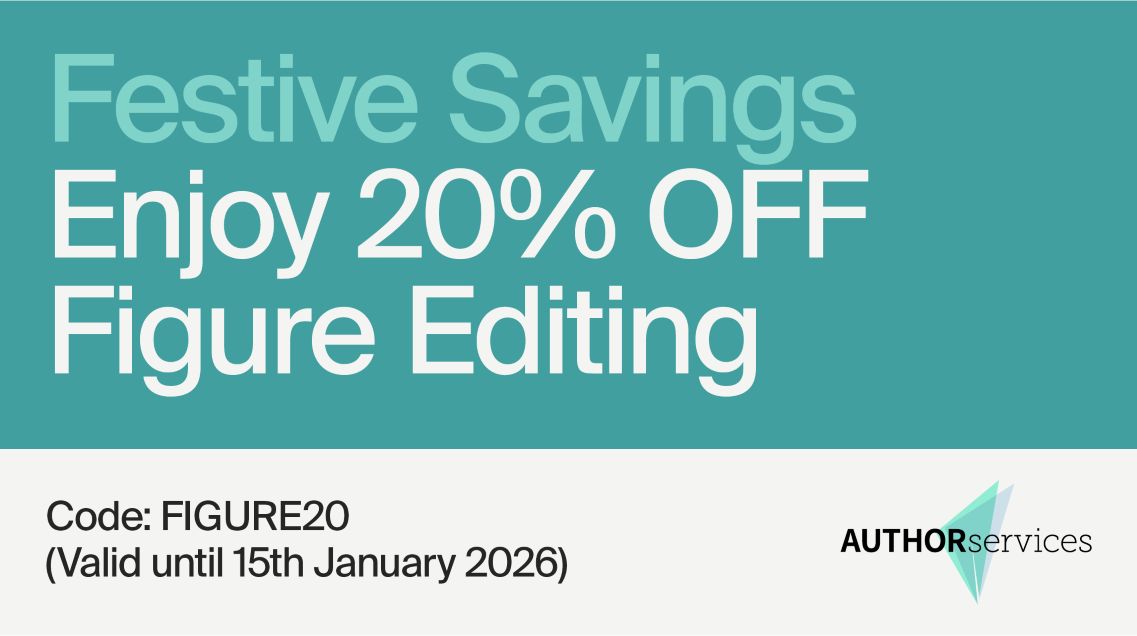 As part of our Christmas campaign this year, we’re giving authors 20% off figure editing costs. Enjoy discounts on professional service packages that ensure publication-ready figures and tables that clearly communicate your research to readers. Use the code FIGURE20 when creating your figure and formatting order to recieve the discount.
Don’t forget to subscribe to the Author Services Newsletter for tips, discounts, and updates.







Great insights into refining academic writing by avoiding informal, vague, exaggerated, and subjective phrases to enhance clarity and professionalism!
Thank you for taking the time to read our article and leaving a comment; it is much appreciated.
All the best.