
Protecting Plants from Pests Without Using Pesticides
Strawberry crops are vulnerable to both insect pests and changes in growing conditions. Pests, such as aphids, can damage plants and transmit viruses, while temperature fluctuations can affect flowering and fruit development. Pesticides are widely used to manage these problems, but restrictions on some products and demand for fruit grown with fewer chemical inputs have increased interest in physical methods of crop protection.
Crop covers can provide a physical barrier between plants and insects, while also controlling the temperature and humidity around the crop. The challenge is finding a material that can exclude pests without restricting the movement of air and water. Agrotextiles such as fine meshes can prevent insects from passing through, but reduced airflow alongside an increase in humidity can potentially favour fungal diseases.
A new study, published in the Open Access journal Agriculture, tested a different type of crop cover on strawberries to assess its effect on fruit production. The 3-D spacer fabric was designed to make it difficult for insects to pass through while remaining porous to air and water. In field trials, plants grown beneath the fabric produced 3.56 times more fruit than uncovered plants.
A three-dimensional barrier for insects
The material, Plant Armor Generation 2 (PA Gen 2), is a knitted spacer fabric previously tested on cabbage. It contains outer layers of polyester multifilament connected by an inner layer of polyester monofilament, creating a three-dimensional structure rather than a conventional flat mesh (Figure 1).
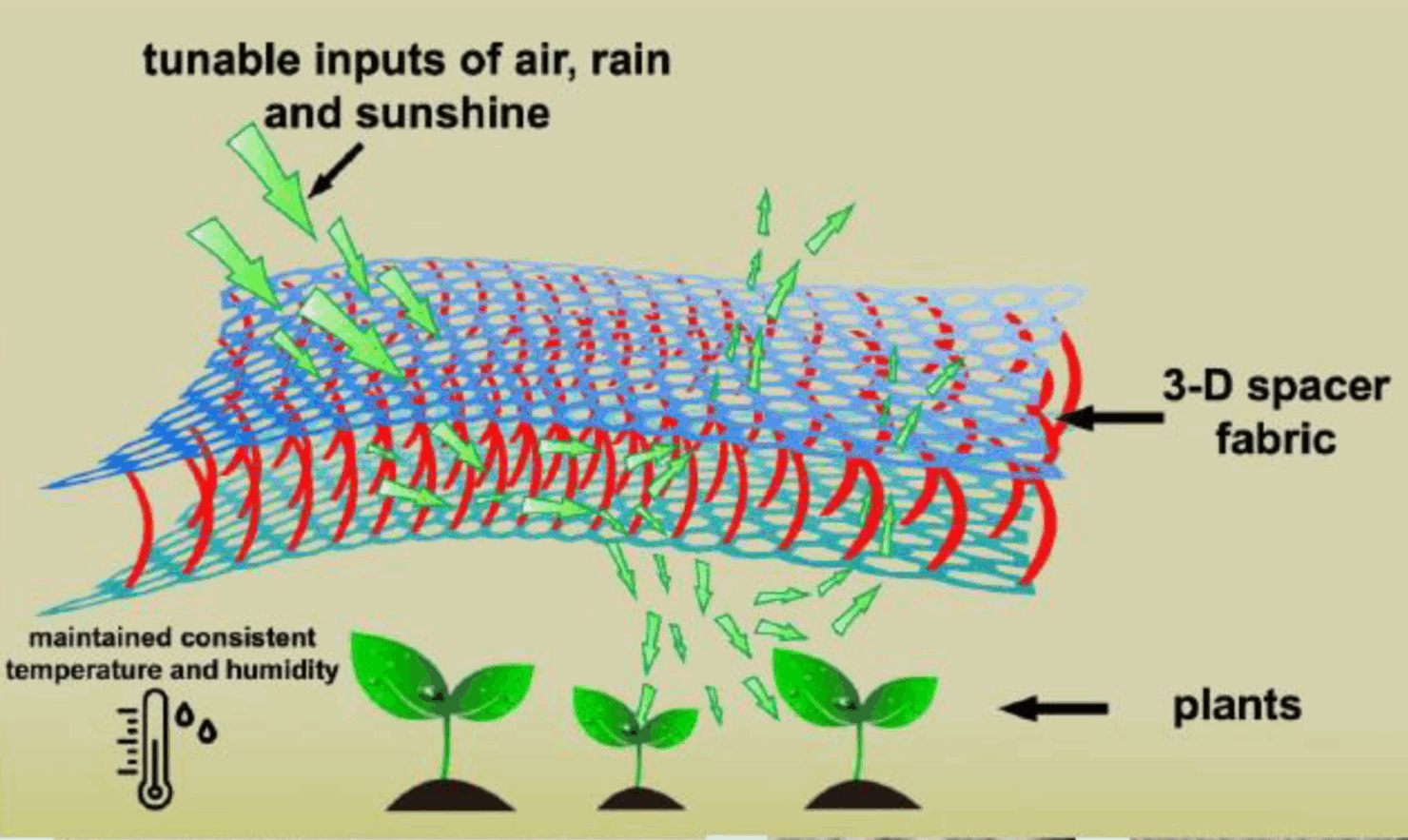
Figure 1: Model of PA Gen 2 with a 3-D structure that allows air, rain, and sunshine through while providing limited access to insect pests.
This structure is important because insects cannot pass through the material freely. Instead, they must navigate a more complicated path through the fabric. The previous work found that PA Gen 2 prevented insect penetration while allowing air and water to pass through, promoting quicker cabbage growth. The researchers wanted to see whether these properties could also benefit a fruit-bearing crop.
The team conducted the experiment in a randomised complete block design using three raised beds, half of each bed was covered with PA Gen 2 and the other half left uncovered (Figure 2). Fruit production was recorded throughout the harvest period, alongside measurements of plant biomass, temperature, relative humidity, aphid penetration and culturable bacteria in the rhizosphere.
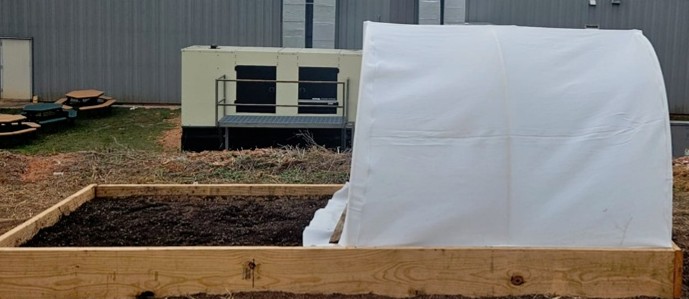
Figure 2: Experimental setup for this study, with half of the farming area covered in PA Gen 2 and the other half left exposed.
The effect on fruit production
The covered strawberries began producing harvestable fruit around one week earlier than the uncovered plants, suggesting that the microclimate created by PA Gen 2 reduced the time from planting to first berry production. These findings could be critical to producers aiming to obtain quicker harvests and sell their crops first.
Over the seven-week harvest period, an average of 10.8 fruits per plant were produced by crops covered by PA Gen 2, compared with 2.83 fruits per plant in the uncovered plots. This represented a 3.56-fold increase in fruit number.
The fruit was also heavier. Covered plants produced an average fruit weight of 12.18 g, compared with 6.63 g for uncovered plants, giving a 1.84-fold increase in total fruit weight.
The researchers found that the wet and dry weights of the leaves, stems, and roots were not significantly different between the two groups. This finding was particularly interesting, as Gabriel Olawuyi, lead author of the study, explains:
“We expected that Plant Armor’s seemingly opaque fabric would lead to an increase in vegetative biomass at the expense of fruiting, because reduced sunlight would trigger a ‘shade-avoidance’ response, making the plant divert energy toward stem and leaf growth rather than fruit production. However, we found the fabric did not impede access to light at all, and fruit production increased significantly.”
This positions the fabric as a promising tool for increasing crop yield, as it increased the biomass of the harvested part of the plant without increasing vegetative growth. In agricultural crops where the fruit determines economic yield, this could offer a way to increase productivity without producing larger plants that require more space to grow.
Creating a favourable microclimate for crop growth
Stable environmental conditions are important for the growth and development of high-value crops.
The researchers recorded a consistent difference in temperature between the two treatments. Across the study period, the temperature in the covered plots was 1.93 °C higher than in the uncovered plots. Gabriel Olawuyi suggests that this effect was potentially responsible for the increased harvest observed:
“The plants were in a condition whereby the warmth they need to go through each phenological stage to their production was given to them optimally, and they produced far more than the uncovered plants.”
Relative humidity, however, was not significantly different between the two conditions.
This matters because temperature and humidity both affect strawberry production. Very high or low temperatures can interfere with flowering, pollen germination, and photosynthesis, leading to a reduction and fruit size. High relative humidity can increase the risk of diseases such as powdery mildew. The fabric therefore produced a modest warming effect without the increase in humidity that can accompany some enclosed crop-covering systems, highlighting its suitability for environments where warming is beneficial, but plant disease pressure is a concern.
Testing the fabric against aphids
Aphids were found on both the covered and uncovered plants during the field experiment with no obvious differences in the level of infestation. The researchers identified them as the yellow rose aphid, Rhodobium porosum.
To investigate how the aphids reached the plants, the researchers carried out a separate laboratory penetration test. Aphids were placed directly onto the surface of PA Gen 2, with a strawberry leaf positioned on the opposite side, meaning that the aphids had to cross the fabric to reach the leaf and survive. They were monitored for 180 minutes to see whether they could reach the leaf.
None of the aphids penetrated the PA Gen 2 fabric during the test. However, the standard fly screen used as a control did allow aphids to pass through.
The result supports the idea that the aphids observed in the covered field plots had gained access by another route. The authors suggest that they may have been present before the plants were covered, entered underneath the fabric, or gained access when the cover was temporarily lifted during measurements.
The same fabric had previously prevented penetration by other arthropods, including tobacco thrips and caterpillar larvae, suggesting that its 3-D structure could provide a broader physical barrier against crop pests.
The effect on the soil microbiome
Soil microorganisms play an important role in maintaining soil health, driving nutrient cycling, and supporting plant growth. Therefore, the researchers explored whether covering the plants affected bacteria in the rhizosphere, the region of soil directly surrounding the roots.
There was no significant difference in the number of culturable bacteria between the covered and uncovered plots. However, this was a preliminary measurement and only included microorganisms that could be grown using the culture-based methods used in the study. The authors note that sequencing would be needed to investigate whether the cover affected the wider microbial community.
A different way to protect crops
The study links the physical structure of PA Gen 2 with several changes in the growing environment. The cover kept the plants slightly warmer, prevented aphids from penetrating the material in laboratory tests, and was associated with substantially greater strawberry production in the absence of pesticides.
There are still questions about how the fabric would perform outside the small experimental plots used here. The researchers note that on-farm testing across different crops and geographical locations would provide a more detailed insight into the potential of the fabric. This would also help determine whether the increase in strawberry yield can be reproduced under different growing conditions.
The importance of this study lies in the results showing that the design of a crop cover can influence more than just whether insects can get through it. In this study, a 3-D textile provided a physical barrier while altering the crop microclimate and coinciding with a substantial increase in harvestable strawberries.
MDPI’s commitment to impactful Open Access research
Research has the potential to influence scientific innovation and inform policies that address global challenges. By supporting researchers and making their work accessible, Open Access publishing can help broaden the reach and impact of important scientific findings.
Discover more research, advances in Open Access publishing, and insights into MDPI’s contribution to scientific research on the MDPI blog here.
Further research on pest management, improving crop yield, and novel technologies for farming can be found across MDPI’s Open Access journals Insects, Agronomy, and Agriculture.
Alternatively, you can access the full MDPI journal list here.