

MDPI Articles Cited in the News: November 2026
In this roundup of MDPI articles Cited in the News, we explore a range of novel and exciting research spanning diverse scientific topics. We cover:
- How music could improve neural network connections to alleviate symptoms of dementia, mentioned in The Age.
- A clinical overview of how Kefir can impact human health, mentioned in National Geographic.
- The prevalence of climate anxiety in US undergraduate students, mentioned in Org.
- The genomic resilience of wildlife flourishing in the Chornobyl Exclusion Zone, mentioned in Discover Magazine.
Can Music Therapy Improve Cognition in Dementia as Measured with Magnetoencephalography: A Hypothesis Study
Published in Biomedicines | Mentioned in The Age
Music plays an important role in society, holding deep significance in many cultures and religious practices globally. It helps people express joy and sadness, boost motivation, and provide comfort through its emotional impact.
Music engages the whole body, interacting with auditory, motor, emotional, and memory centres. Hence, listening to music regularly can have lasting effects on psychological well-being, as seen in previous studies that show how music can ease anxiety and stress levels.
Music therapy can be beneficial for people living with dementia, with research showing how it can improve aspects of memory, attention, concentration, cognition, and speech.
Research has shown that familiar melodies and steady rhythms can help engage people with dementia, triggering movement or stimulating memory recall of familiar lyrics. However, the exact neurobiological mechanism of how this works is unknown. A recent article published in the Open Access journal Biomedicines and mentioned in The Age investigates how music therapy affects the neural pathways associated with dementia.
The researchers recruited six participants with dementia who completed a Mini-Mental State Examination before and after a structured music therapy program aimed at improving executive functioning. They found increased connectivity between neural networks and areas associated with cognitive compensation during executive function.
Compensatory neural networks refer to supplementary neural pathways that are increasingly adopted in older adults to support tasks such as memory and language.
The researchers conclude that music therapy could improve working memory and executive functioning in people with dementia by targeting cognitive processes and promoting activity in more distantly connected areas. These areas support neural network activity to maintain or improve cognitive functioning in dementia. Due to the small sample size, further research would be required to confirm the preliminary results of this study.
 Figure 1: Music therapy can be beneficial for people living with dementia, with research showing how it can improve aspects of memory, attention, concentration, cognition, and speech
Kefir consumption and Health Effects Based on Human Clinical Trials: An Overview of Literature
Published in Healthcare | Mentioned in National Geographic
Kefir is an ancient, fermented milk drink originating thousands of years ago from the Caucasus Mountains and has become a staple in Eastern Europe and parts of West societies and Central Asia. With the popularisation of probiotics and gut health, Kefir and fermented milk products gained widespread commercial traction during the 2010s in the West.
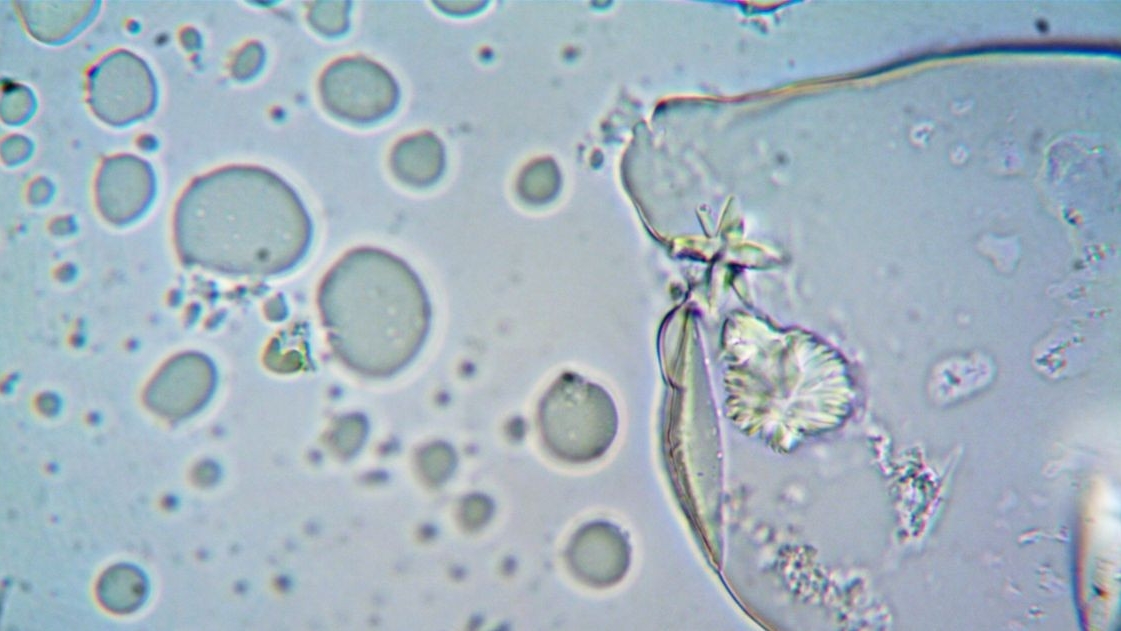
Kefir grains are made up of bacteria and yeast colonies bound together in a matrix of sugars, lipids, and proteins. Kefir was a closely guarded secret by the inhabitants of the Caucasus region and was kept as a treasured, health-promoting practice. Indeed, many studies have illustrated the therapeutic potential of kefir.
A recent review of published literature, published in the Open Access journal Healthcare and mentioned by National Geographic, evaluated the available clinical evidence on kefir consumption and its impact on human health.
The researchers analysed 28 human clinical studies, investigating the influence of kefir on a broad range of health outcomes in humans, including gastrointestinal (GI), metabolic, cardiovascular, and oral health, as well as lactose intolerance.
The intake of kefir displayed potential benefits in improving factors related to gut health, metabolism, immunity, and immune function. However, not all kefir is prepared the same, and microbial compositions and dosages of the kefir differ significantly across clinical studies.
Therefore, although the results suggest that kefir could have health-promoting qualities, no substantial conclusions can be drawn from these clinical studies. More robust and well-designed clinical trials with standard interventions are needed to fully understand how kefir can impact human health.
Climate Anxiety Among Undergraduates at an R1 University in the United States
Published in Sustainability | Mentioned in Phys.Org
Climate change is a complex environmental and systemic issue and can trigger feelings of distress, especially in young people. Researchers suggest that focusing on climate advocacy and action could help ease climate anxiety.
Climate change is now having an irrefutable impact on public health, impacting nearly every aspect of a child’s health and well-being. This includes effects from natural disasters amplified by climate change, including the rise in extreme heatwaves and forest fires.
Exposure to news coverage through social media channels highlights global inaction and the worsening effects of climate change. This can trigger significant mental stress, in addition to experiencing the direct, physical impacts of a warming planet.
Climate anxiety or ‘eco-anxiety’ is defined as ‘the sense of fear, worry, or tension linked to climate change’. It predominantly affects young people and can lead to anxiety and depression stemming from a lack of hope for their future. Understanding the prevalence of climate anxiety is important to implement appropriate support for young people experiencing a deeply complex, systemic, and multifaceted global issue.
A recent article published in the Open Access journal Sustainability and mentioned in Phys.org examines the prevalence of climate anxiety experienced by undergraduate students in higher education.
The researchers assessed climate anxiety in approximately 550 undergraduate students. The participants completed a survey composed of 10 questions to gauge beliefs about climate change. Additionally, they quantified the presence of generalised anxiety using the GAD-7 scale.
The results showed that climate anxiety was more likely to be experienced by those who were concerned for the environment, particularly those who also struggled with generalised anxiety, those who were more exposed to climate-related news, and those who tended towards left-wing political ideologies.
The authors discuss the importance of institutions and health professionals acknowledging the real mental impacts of climate anxiety. With depression and anxiety closely correlated with climate anxiety in many studies, they recommend offering psychological support for those struggling with generalised anxiety, particularly by inquiring about climate-related concerns, offering resources that help process feelings of climate anxiety, and focusing on climate advocacy and action.
Evidence of a Selective Response in Free-Breeding Dog Population in Chornobyl
Published in Genes | Mentioned in Discover Magazine
Genetic diversity underpins evolution and natural selection, as species adapt to their environment and face environmental and human-caused pressures. Over time, species acquire advantageous genes that boost survival and help them thrive, even in the harshest environments.
The Chornobyl Exclusion Zone (CEZ) is a region in Northern Ukraine which was evacuated following the 1986 explosion of the Chornobyl Nuclear Power Plant due to large amounts of ionising radiation, heavy metals, organic compounds, and other environmental toxicants released into the 4750 square kilometer region.
Despite the extreme conditions, many mammals, such as deer, wild boar, and elk, seem to be thriving in the radioactive zone, with researchers attributing the resurgence to the complete removal of human activity, such as hunting and farming.
However, wildlife in the exclusion zone now responds differently, with scientists stressing that radiation is not necessarily good for animal health despite an apparently flourishing population. Nonetheless, the CEZ provides a unique, multigenerational model to understand how animals respond to extreme selective pressures.
A study published in Genes and mentioned in Discovery Magazine looked at dogs residing in the radioactive environment of Chornobyl. This study extended previous studies, which revealed significant genetic differences between dogs residing at the nuclear power plant and dogs in Chornobyl city.
The authors hypothesised that distinct genetic signatures in the dogs indicate adaptive evolution in response to environmental stressors. Whole-genome sequencing showed that genes in the dogs at the nuclear power plant were enriched for functions related to DNA replication and repair, cell death and survival, cellular compromise, immune response, and cancer-associated pathways.
Hence, the study provided evidence for directional selection in the nuclear power plant dog population, potentially due to the environmental pressures present.
The study builds on the existing knowledge of wildlife in the CEZ and could be useful in advancing our understanding of local adaptation and genomic resilience under chronic environmental contamination.
You can read the latest research published in MDPI’s Open Access journals, which cover a diverse range of scientific topics and are available to read for free immediately. Visit the MDPI scientific journal list to browse and read more.